
(Master Cleansing): The Complete Guide to Yogic Intestinal Detoxification
What is Shankha Prakshalana?
Shankha Prakshalana, often called Master Cleansing, is one of the most powerful purification techniques in the Hatha Yoga tradition. It belongs to the system of Shatkarma (Shatkriya)—the six classical yogic cleansing practices designed to prepare the body and mind for higher stages of yoga.
The Sanskrit word “Shankha” means conch shell, while “Prakshalana” means complete washing or cleansing. Just as water poured through a conch shell washes its entire interior, this practice is traditionally intended to cleanse the entire digestive tract—from the stomach to the rectum.
The technique is described in traditional yoga texts such as the Gheranda Samhita and is regarded as an advanced cleansing practice that should always be performed under the supervision of an experienced yoga teacher.
How Does Shankha Prakshalana Work?
During the practice, warm salted water is gradually consumed while performing a specific sequence of yoga movements. These movements encourage the water to travel naturally through the digestive system. The process continues until the water is eliminated through the bowels, helping to flush the intestinal tract.
Traditionally, this cleansing is believed to remove accumulated waste, stimulate digestive function, and leave the body feeling refreshed and energized.
The Five Yoga Postures Used in Shankha Prakshalana
A sequence of five simple yoga postures helps move the water efficiently through the digestive system.
- Tadasana (Mountain Stretch Pose)
Stand upright with the feet together. Raise both arms overhead with the palms facing upward. Inhale deeply, lift the heels, and stretch the entire body upward. Lower the heels while exhaling and repeat the movement five times.
Purpose: Encourages water to move from the stomach toward the small intestine.
- Tiryaka Tadasana (Swaying Palm Tree Pose)
Stand in Tadasana with the feet slightly apart. Keeping the body long, bend gently to the right and then to the left from the waist without leaning forward or backward.
Repeat five times on each side.
Purpose: Helps guide the water through the small intestine.
- Kati Chakrasana (Standing Spinal Twist)
Stand with the feet about one metre apart and arms extended at shoulder height. Twist the torso to one side, bringing one hand toward the opposite shoulder while wrapping the other arm around the waist. Repeat on the opposite side.
Practice five twists on each side.
Purpose: Assists the movement of water through the intestines.
- Udarakarshanasana (Abdominal Stretch Pose)
Squat with the feet apart and place the hands on the knees. Lower one knee toward the floor while twisting the torso in the opposite direction. Look over the shoulder before returning to the centre and repeating on the opposite side.
Repeat five times on each side.
Purpose: Encourages water to move into the large intestine.
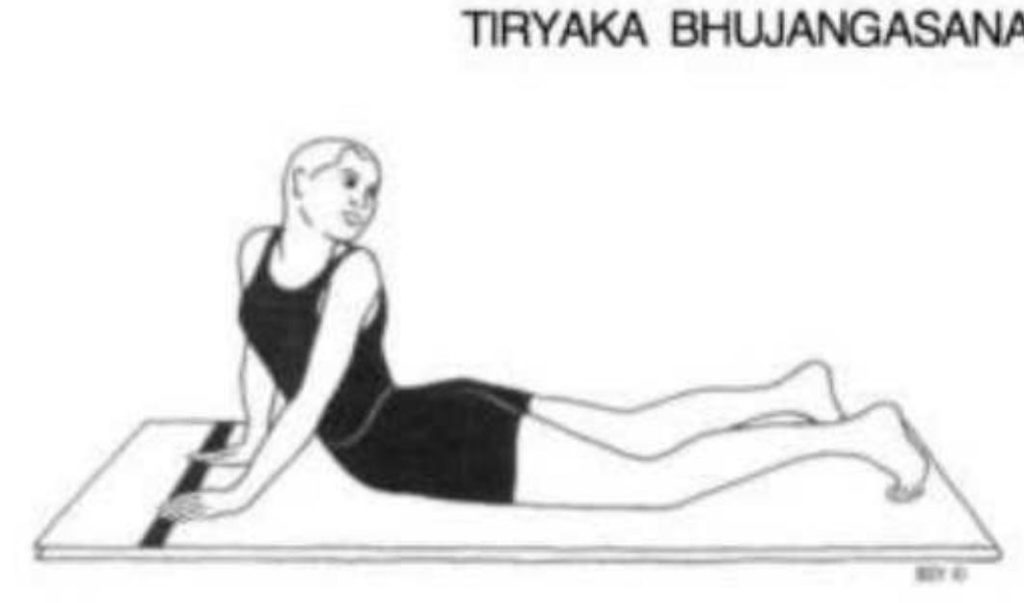
- Tiryaka Bhujangasana (Twisting Cobra Pose)
Lie in the Cobra Pose (Bhujangasana). Keeping the hips grounded, twist the head and upper body to look toward one heel. Return to the centre and repeat on the opposite side.
Practice five repetitions on each side.
Purpose: Helps guide the water toward the rectum for elimination.
Preparation Before Practice
To ensure the best results:
- Practice early in the morning on an empty stomach.
- Eat a light, easily digestible dinner the night before.
- Prepare warm water mixed with natural salt (some traditions also add a small amount of lemon).
- Wear comfortable clothing.
- Set aside several hours, as the practice requires time and rest afterward.
Aftercare Following Shankha Prakshalana
Proper recovery is an essential part of the cleansing process.
- Rest in Shavasana (Corpse Pose) for at least 30 minutes.
- Eat freshly prepared moong dal khichadi with a generous amount of ghee as your first meal.
- Avoid cold foods and drinks for the remainder of the day.
- Refrain from milk, yogurt, sweets, spicy foods, pickles, and processed foods for several days.
- Avoid alcohol and meat for at least two to three weeks.
- Do not engage in strenuous physical activity on the day of practice.
- Give the digestive system time to recover before resuming your normal routine.
Benefits of Shankha Prakshalana
According to traditional yoga teachings, regular practice under expert supervision may help:
- Cleanse the entire digestive tract.
- Improve digestion and nutrient absorption.
- Support healthy bowel function.
- Relieve occasional constipation and bloating.
- Reduce excess gas and acidity.
- Promote regular elimination.
- Increase feelings of lightness and vitality.
- Prepare the body for advanced yoga, pranayama, and meditation.
- Encourage overall physical and mental well-being.
Many of these benefits come from traditional yogic teachings. Scientific evidence for all claimed effects remains limited, and the practice should not be viewed as a treatment for medical conditions.
Precautions
Shankha Prakshalana is an advanced yogic cleansing technique and should only be practiced under the guidance of a qualified yoga teacher.
Avoid this practice if you have:
- High blood pressure
- Heart disease or a history of heart attack
- Active stomach or intestinal ulcers
- Severe gastrointestinal disorders
- Kidney disease
- Recent abdominal surgery
- Pregnancy
- Severe dehydration or electrolyte imbalance
Always consult your healthcare provider before attempting intensive cleansing practices if you have any underlying medical conditions.
Final Thoughts
Shankha Prakshalana is one of the most profound purification techniques in classical Hatha Yoga. When performed correctly and under proper supervision, it is traditionally believed to cleanse the digestive system, improve digestive health, and prepare the body for deeper yogic practices.
At Happy Yoga Nepal, we teach traditional yogic cleansing techniques with an emphasis on safety, proper preparation, and individual guidance. Whether you are joining a Yoga Teacher Training course or a yoga retreat, our experienced teachers ensure that every practice is taught responsibly and according to authentic yogic principles.