Makarasana (Crocodile Pose): Benefits, Steps, Variations & Therapeutic Applications
Introduction to Makarasana
Makarasana (मकरासन), commonly known as Crocodile Pose, is a deeply relaxing yoga posture that promotes physical recovery, mental calmness, and spinal health. The Sanskrit word Makara means “crocodile,” while Asana means “posture” or “seat.” This pose is mentioned in the ancient yogic text Gheranda Samhita and is recognized as one of the 32 important asanas selected from the vast number of yoga postures described in traditional yoga literature.
Makarasana is often practiced as a restorative posture between more demanding yoga poses. It allows the body to relax completely while gently supporting the spine, improving breathing, and releasing tension from the back and neck.
Classical Yogic Reference
Verse (Gheranda Samhita 2.40)
Adhyaasya shete hridayam nidhaaya, bhoomau cha paadau prasaaryamaanau;
Shrashcha dhritvaa karadandayugme, dehaagnikaaram makaraasanam tat.
Meaning:
Lie on the ground with the chest touching the floor and the legs stretched comfortably. Support the head with the arms. This posture is known as Makarasana and is said to stimulate the body’s inner energy and vitality.
How to Practice Makarasana
Variation 1
- Lie comfortably on your stomach.
- Raise the head and shoulders slightly.
- Fold your arms in front of you.
- Rest one arm over the other.
- Place your forehead or chin on your crossed arms.
- Close your eyes and relax the entire body.
- Breathe naturally and remain in the posture for several minutes.
- Slowly release and return to a comfortable position.
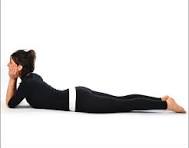
Variation 2
- Lie flat on your stomach with legs extended.
- Raise your head and shoulders slightly.
- Place both elbows on the floor at shoulder width.
- Support your chin with your palms.
- Relax your shoulders and spine.
- Close your eyes and focus on your breath.
- Feel the abdomen gently rise and fall with each breath.
- Hold for several minutes before slowly releasing.
Anatomical Focus
Makarasana primarily affects:
- Spine and lower back
- Neck and shoulders
- Abdomen and digestive organs
- Hips and legs
- Respiratory muscles
Because the body rests comfortably on the abdomen, the pose naturally encourages diaphragmatic breathing and spinal relaxation.
Therapeutic Applications
Makarasana is widely used in yoga therapy due to its calming and restorative effects. It may help:
- Relieve lower back pain
- Reduce neck tension
- Ease fatigue and exhaustion
- Support recovery from physical activity
- Improve posture and spinal alignment
- Promote relaxation and stress relief
- Enhance breathing capacity
This pose is frequently recommended for individuals experiencing cervical spondylosis, sciatica, mild slipped disc discomfort, and general muscular tension.
Benefits of Makarasana (Crocodile Pose)
1. Relieves Back Pain
Makarasana gently decompresses the spine and relaxes the muscles surrounding the back, making it highly beneficial for those suffering from lower back discomfort.
2. Improves Breathing
The posture encourages deep abdominal breathing, improving lung function and respiratory efficiency.
3. Reduces Stress and Anxiety
The calming nature of the pose helps relax the nervous system, reducing mental tension, anxiety, and fatigue.
4. Supports Digestive Health
Gentle pressure on the abdominal organs may help improve digestion and support healthy organ function.
5. Benefits Spine Health
Regular practice helps improve posture, release spinal tension, and support overall back health.
6. Helpful for Respiratory Conditions
Makarasana is often recommended for individuals with asthma and other breathing difficulties because it promotes deeper and more efficient breathing.
7. Relaxes the Entire Body
This pose is excellent for relaxation after yoga practice, walking, traveling, or long periods of sitting.
8. Stretches Hips and Legs
The posture gently lengthens and relaxes the muscles of the hips, thighs, and legs.
Precautions
- Avoid excessive strain in the neck.
- Those with severe abdominal injuries should consult a qualified teacher or healthcare professional before practice.
- Practice mindfully and never force the body into discomfort.
Conclusion
Makarasana is one of the most effective relaxation postures in yoga. Simple yet powerful, it offers immediate relief from stress, fatigue, and spinal tension while improving breathing and overall well-being. Suitable for practitioners of all levels, this pose serves as an excellent restorative practice for modern lifestyles.
Whether you are recovering from physical exertion, managing back discomfort, or simply seeking a moment of deep relaxation, Makarasana can become a valuable part of your daily yoga routine.
At Happy Yoga Nepal, we encourage students to explore traditional yoga practices that support holistic health, inner balance, and long-term well-being.